Freelance Tax Calculator UK: Calculate Your Actual Take-Home Pay 2026
Most UK freelancers overpay tax by £2,000-5,000 every year. Why? Because they don’t know what they actually owe. No automated system tells you. No employer files it for you. The result: confusion, overpayment, and missed opportunities to claim deductions and allowances.
This guide fixes that. Below is an interactive calculator that shows your exact UK tax liability based on real 2026 HMRC rates. Plus a complete breakdown of income tax, National Insurance, Trading Allowance, and legitimate deductions so you know exactly what you owe—and what you’re entitled to claim.
How UK Freelance Tax Actually Works (The Full Picture)
Before you use the calculator, it helps to understand how UK tax works. There are three main taxes that affect your income:
1. Personal Allowance (Tax-Free Threshold)
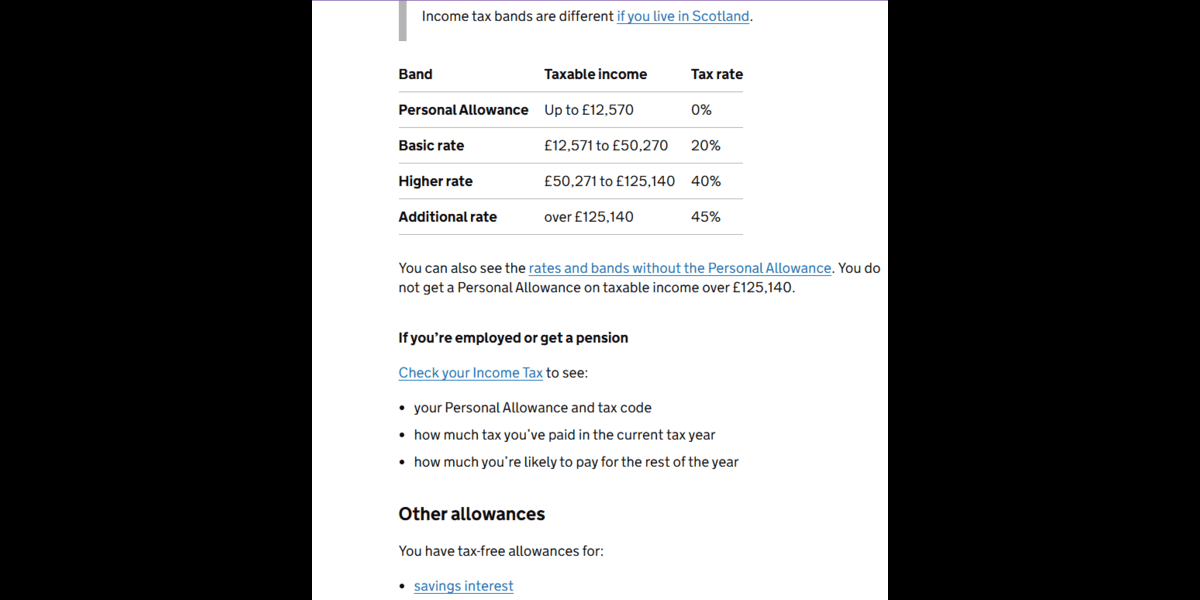
In 2026, your personal allowance is £12,570. This means you can earn up to £12,570 per year without paying any income tax. If you earn exactly £12,570, you owe £0 income tax.
Key point: You still need to register with HMRC even if you earn under £12,570, because you’re self-employed.
2. Income Tax (Basic Rate 20%)
Once you earn above £12,570, you pay income tax on the amount above your personal allowance at a standard rate of 20%.
Example: If you earn £40,000:
- £40,000 – £12,570 (personal allowance) = £27,430 taxable
- £27,430 × 20% = £5,486 income tax
3. National Insurance (Class 2 + Class 4)
This is the one that surprises most freelancers. You pay two types of National Insurance:
- Class 2 NI: A fixed amount of £163.80/year (2026 rates) if you earn over £6,725
- Class 4 NI: Around 8% on profits between £12,570-£50,270, plus 2% above £50,270
Real example: On £40,000 profit:
- Class 2: £163.80
- Class 4: (£40,000 – £12,570) × 8% = £2,194.40
- Total NI: £2,358.20
💡 Key insight: Income tax + National Insurance combined is why your take-home is only 78-82% of your gross income. If you earn £40,000, you keep approximately £32,156 after tax.
The Freelance Tax Calculator (Interactive)
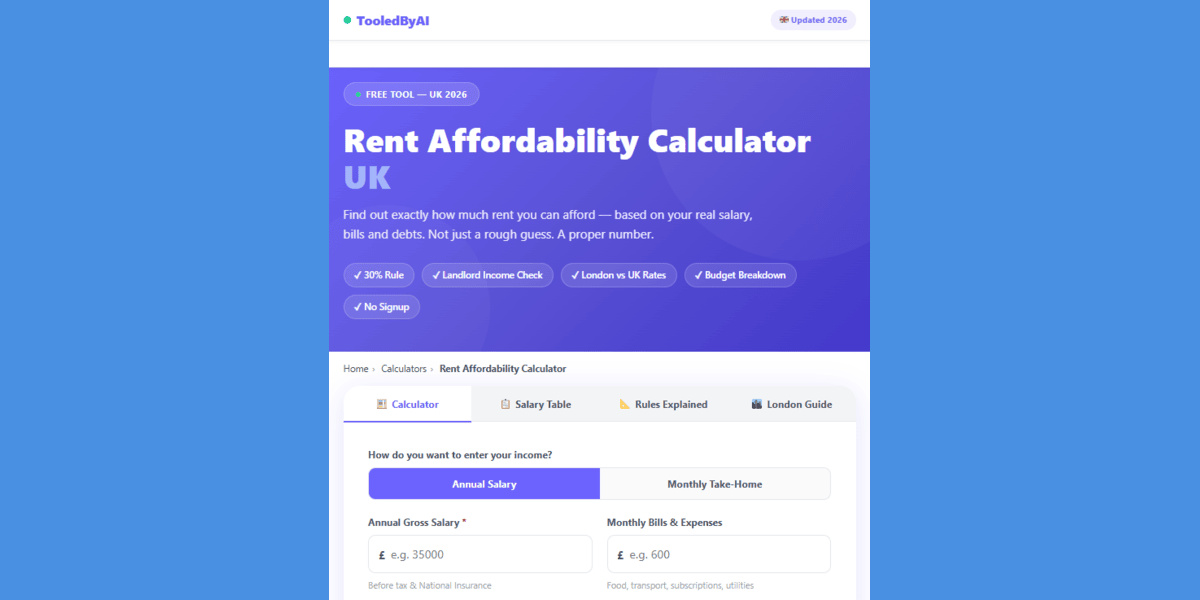
How to Use the Calculator:
Enter your annual gross income (total money earned before any deductions)
Optionally enter total business expenses (home office, software, materials, etc.)
Click “Calculate” to see your income tax, National Insurance, and exact take-home pay
Note: Calculator uses 2026 HMRC rates. For exact figures, speak with an accountant. This is guidance, not professional tax advice.
Common Tax Mistakes Freelancers Make (And How to Fix Them)
Mistake #1: Not Claiming Home Office Expenses
Many freelancers think they can’t claim a home office. You can. HMRC allows two methods:
- Simplified method: £10-26 per week (£520-1,352/year)
- Actual costs method: Claim percentage of rent, utilities, internet, insurance based on square footage
Impact: Saves £100-270/year in tax (at 20% rate)
Mistake #2: Ignoring the Trading Allowance
If your profits are under £1,000/year, you pay zero tax because of Trading Allowance. Even if you earn £999, you owe nothing to HMRC.
Better: If you earn between £1,000-£12,570, choose whether to claim Trading Allowance (£1,000 free) or claim actual expenses—whichever saves more.
Mistake #3: Not Separating Income and Expenses
Your taxable profit is: Gross Income – Business Expenses
If you earned £50,000 but spent £8,000 on software, equipment, and supplies, your taxable profit is £42,000 (not £50,000). The difference saves £1,600 in tax.
Mistake #4: Forgetting National Insurance Deadlines
You must register with HMRC within 3 months of starting freelance work. Missing this deadline can result in penalties.
Register here: gov.uk/new-business-register-hmrc
⚠️ Important: Self Assessment tax return is due 31 January 2027 for the 2025-26 tax year. Penalty: £100 if late.
Advanced: Limited Company vs Self-Employed (Which Saves More Tax?)
At some income levels, a Limited Company saves tax compared to being self-employed. Here’s when each makes sense:
| Annual Profit | Better Option | Why | Estimated Tax Saving |
|---|---|---|---|
| Under £12,570 | Self-Employed | Pay no income tax with personal allowance | £0 (no tax owed) |
| £12,571 – £40,000 | Self-Employed | 20% tax + NI less than company overhead costs | £0 (same or better) |
| £40,001 – £60,000 | Depends | Company might save if you reinvest profits | £500-2,000 |
| £60,000+ | Limited Company | Company tax (19%) + dividends cheaper than 45% top rate | £3,000-8,000+ |
💡 General rule: If you earn under £40,000 and are just starting out, stay self-employed. The admin burden of a company isn’t worth it. Above £50,000, speak with an accountant about Limited Company structure.
Marriage Allowance: Free Money You Might Be Missing
If you’re married or in a civil partnership and one partner earns significantly less than the other, Marriage Allowance can save up to £252/year.
How it works: If Partner A earns £8,000 and Partner B earns £45,000, Partner A can transfer their unused personal allowance to Partner B, reducing B’s tax bill.
Register here: gov.uk/marriage-allowance (Completely free, takes 10 minutes)
Tools & Resources to Calculate & Track Your Freelance Tax
Official HMRC Tools (Free)
- HMRC Tax Rates: Official rates, personal allowance, thresholds
- Register as Self-Employed: Must do within 3 months of starting
- Self Assessment: File your tax return by 31 January
Accounting Software for Freelancers
- FreeAgent (Free tier available): Track income/expenses, auto-calculate tax
- Wave (Completely free): Simple invoicing and expense tracking
- Xero (Paid): Full accounting for growing freelancers
Alternative Calculators
- The Simple Tax Calculator: No registration needed
- SELT (Self Employment Liaison Team): Questions about specific situations
Frequently Asked Questions About UK Freelance Tax
You pay zero income tax because of your personal allowance. However, you still must register with HMRC as self-employed. You’ll also owe Class 2 National Insurance (£163.80/year if earnings are over £6,725) and Class 4 NI (if applicable). Even though you owe no tax, filing a tax return is still required to prove your income for benefits, mortgages, and credit applications.
You can claim legitimate business expenses. These include: software subscriptions, equipment, office supplies, home office costs, professional development, website hosting, accountant fees, and travel for business. You cannot claim personal expenses, gifts over £50 per person, or entertainment costs. Keep receipts for everything—HMRC may ask for proof if you’re audited.
You must register as self-employed within 3 months of starting if you expect to earn over £1,000 per tax year. Even if you earn less, it’s still good practice to register. Register online at gov.uk/new-business-register-hmrc. The process takes 10 minutes and costs nothing.
Your Self Assessment tax return and payment are both due 31 January following the end of the tax year. The 2025-26 tax year ends 5 April 2026, so your return and payment are due 31 January 2027. Miss this deadline and you’ll face a £100 penalty automatically.
Not required by law, but recommended if: you earn over £40,000, have complex expenses, are considering Limited Company structure, or want peace of mind. Accountants typically charge £200-600/year for freelancers. Many save that amount in unclaimed deductions alone. For simple income, use accounting software (Wave, FreeAgent) to handle it yourself.
HMRC will ask for evidence of your income and expenses. You’ll need receipts, invoices, and bank statements. If everything is legitimate and documented, you have nothing to worry about. Keep all records for 6 years. If HMRC finds errors, you may owe back taxes plus interest and penalties (5-100% depending on intent).
Not easily. Class 2 NI is fixed at £163.80/year (2026). Class 4 NI is 8% on profits between £12,570-£50,270. However, if you form a Limited Company at high income levels (£60,000+), you can reduce both income tax and NI by paying yourself via dividends. Speak with an accountant about whether this makes sense for you.
Personal Allowance (£12,570): Everyone gets this. You don’t pay income tax on the first £12,570 of earnings from any source. Trading Allowance (£1,000): Only for self-employed/sole traders. Gives an additional £1,000 of tax-free trading income. If you earn £13,570, you can claim Trading Allowance and pay zero income tax. Use whichever saves more tax (Trading Allowance OR claimed expenses, not both).
Keep Your Take-Home Pay Simple
Download our free Freelance Tax Checklist to ensure you don’t miss deadlines, deductions, or allowances. Most freelancers miss £500-2,000/year in opportunities.
→ Get Free ChecklistRelated Articles & Tools
Expand your freelance knowledge with these related guides:
- Best GEO Tools 2026 — AI visibility tracking for your business brand
- AI Tools for Cold Email — Use ChatGPT to improve outreach
- Free AI Calculators for Business — More tools like this one
Great content! Keep up the good work!
Thanks for Appreciation