The pub carpet smells faintly of cider and old carpet, the sort of place where a machine hums like a tired fridge. Most punters treat video poker like a coin toss, but the maths underneath tells a sharper story. The video poker house edge and odds shift with every rule tweak, every payline, every payout table. Before you feed a note into the slot, it helps to know which variants actually respect your bankroll and which ones quietly run you into the ground.
Reading the Pay Table Before You Press Deal
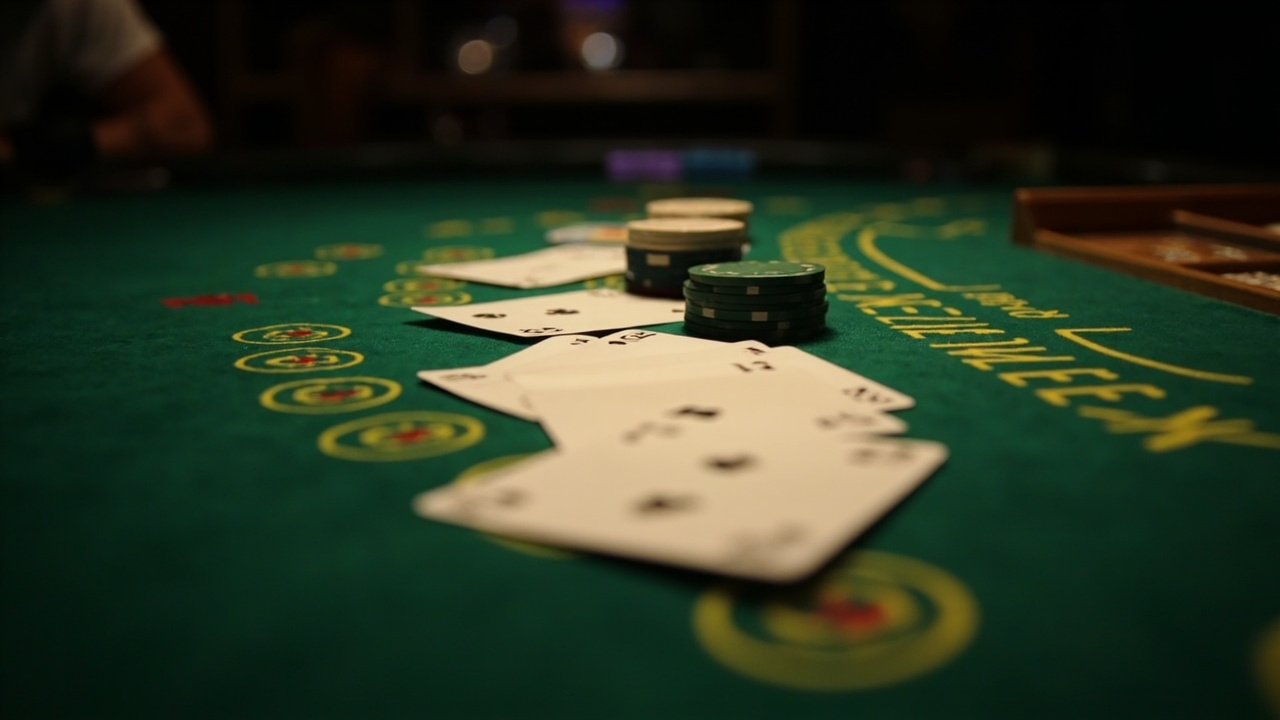
A pay table is not decoration; it is the contract. On a Jacks or Better machine, the difference between a 9/6 layout and an 8/5 layout can move the return by several percentage points, which sounds small until you realise it is the difference between a slow leak and a bucket with a hole. The full house and flush payouts do the heavy lifting, and when those drop, the edge tilts toward the house faster than most players notice. You can chase royal flushes all afternoon, but the long-run maths rewards the boring, high-return tables every time.
That is why the best video poker house edge and odds only make sense once you have read the fine print on the screen. A machine advertising “video poker” can hide a 9/5 schedule, a reduced royal payout, or a bonus game that resets the odds in ways the marketing never mentions. If you want a clearer picture of how those odds compare across casino choices, the breakdown in Poker odds and casino choices explained lays out the same idea in plain terms.
How the Edge Actually Builds Up
The edge is not a single number stamped on the glass; it is the sum of several quiet decisions the operator makes. The first is the pay table. A full-pay Jacks or Better variant can return roughly 99.5 per cent with perfect strategy, which leaves a thin house edge that only shows up over hundreds of hands. Drop the flush payout by one coin and the return slips; drop the full house and the maths tilts harder. The second is the number of decks. Single-deck video poker changes the probability of drawing certain ranks, and while the effect is smaller than the pay table, it still nudges the odds. The third is the bet size and the way the machine handles draws. Some variants pay the royal flush only on max credits, which means a smaller bet can turn a technically favourable table into a losing one if you do not cover the top prize.
The fourth factor is the strategy layer, which is where most casual players lose the edge without realising it. Video poker is not a guessing game; it is a hold-or-draw decision tree. A player who keeps a low pair instead of chasing a four-card straight flush is making a mathematically defter call, even if it feels unsatisfying. A player who holds a single high card and hopes for a miracle is handing the house a steeper cut. The edge compounds when the machine’s rules and the player’s habits pull in the same direction.https://lucky-dream.org
| Variant | Typical Return (Perfect Play) | House Edge Direction | What Moves It Most |
|---|---|---|---|
| Jacks or Better 9/6 | About 99.5 per cent | Thin edge, player-friendliest | Full house and flush payouts |
| Jacks or Better 8/5 | About 97.3 per cent | Noticeably higher edge | Reduced full house and flush |
| Deuces Wild (full pay) | About 99.7 per cent | Edge can flip with strategy | Wild card frequency and payout schedule |
| Double Bonus (full pay) | About 99.2 per cent | Edge depends on bonus payouts | Four-of-a-kind and bonus multipliers |
The table is not a promise; it is a compass. Returns assume perfect strategy and the stated pay table, and any deviation in rules or bet size shifts the numbers. That is the part most brochures leave out.
Who This Actually Suits
Video poker suits a player who likes a methodical game and does not mind sitting with a pay table for ten minutes before the first deal. It is not for someone chasing a buzz or treating each hand like a lottery ticket. The edge is real but thin playcrownslots.com on the right machines, which means the game rewards patience and punishes impulse. If you are the sort of person who would rather study a train timetable than guess the next platform, you will feel at home here. If you want a fast, noisy ride, a different machine will suit you better.
The practical side matters too. A player who can keep a steady bet size, read the payout schedule, and follow a basic strategy chart will get a fairer shake than someone who varies the stake with every arvo mood. The game is one of the few casino offerings where skill can meaningfully narrow the house advantage, but only if you treat the screen like a puzzle rather than a slot machine in disguise.
A Common Misconception, and Why It Is Not That Simple
A lot of players reckon video poker is just a dressed-up slot, which is the kind of shorthand that costs money. The reality is more nuanced. A slot’s outcome is decided by a random number generator and a fixed symbol distribution, while video poker is built on a deck of cards with known probabilities and a pay table you can read before you play. That means the odds are not hidden in the same way, and the return can be estimated from the table itself. The catch is that the estimate only holds if you play the right variant and make the right holds. A favourable table with sloppy strategy can be worse than a mediocre table played carefully. The misconception is not that the game is random; it is that the randomness tells the whole story. It does not. The pay table, the bet size, and the hold decisions do most of the work.
If you want a closer look at how those odds sit alongside other casino choices, the piece on Poker odds and casino choices explained walks through the same comparison without the marketing gloss.
The video poker house edge and odds are not a mystery so much as a set of rules you can read before you commit a note. Pick a high-return table, keep the bet size steady, and treat the hold decisions like a checklist rather than a hunch. Do that, and the game stops feeling like a coin toss and starts behaving like a maths problem with a thin but real edge in your favour.Poker odds and casino choices explained